Semantic SEO: Optimizing for Context and Intent
Introduction
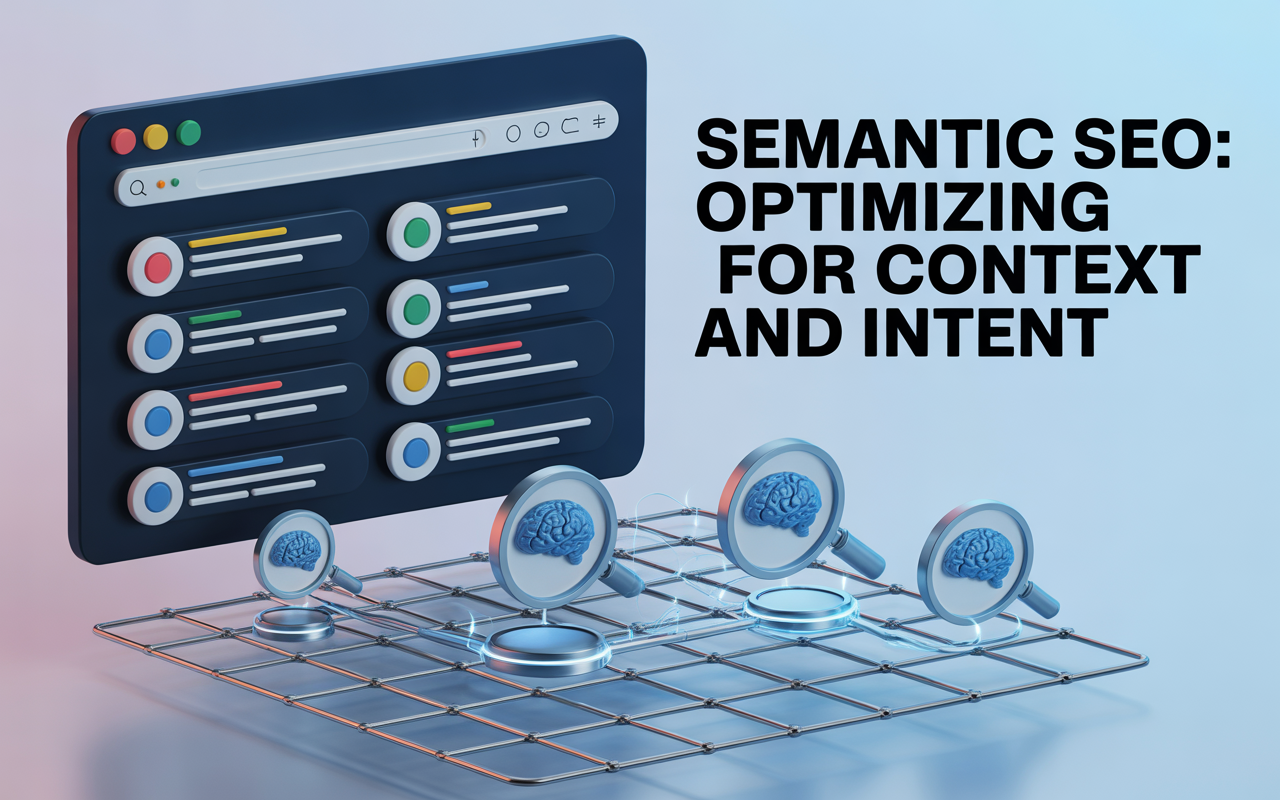
Search engines are no longer simple keyword-matching tools. In 2025, Google, Bing, and AI-powered engines interpret meaning and intent behind queries rather than just strings of words. This shift has given rise to Semantic SEO, an approach focused on optimizing content for context, relationships, and entities. Unlike traditional SEO that relied heavily on keyword stuffing, Semantic SEO ensures your content speaks the same “language” as modern search engines, ultimately improving discoverability and trust.
In today’s environment—dominated by large language models (LLMs), answer engines, and AI summaries—brands that fail to adapt semantic strategies risk becoming invisible online and losing significant organic market share.
What is Semantic SEO?
Semantic SEO is the practice of optimizing content to align with search intent, contextual meaning, and entity relationships, rather than just keywords. It aims to provide comprehensive answers that match why users are searching, not just what they are searching for.
Traditional SEO:
- Optimized for keywords (“best running shoes”).
- Focused on exact match phrases.
Semantic SEO:
- Optimizes for intent (user wants comparisons, reviews, pricing).
- Focuses on topics, entities, and relationships.
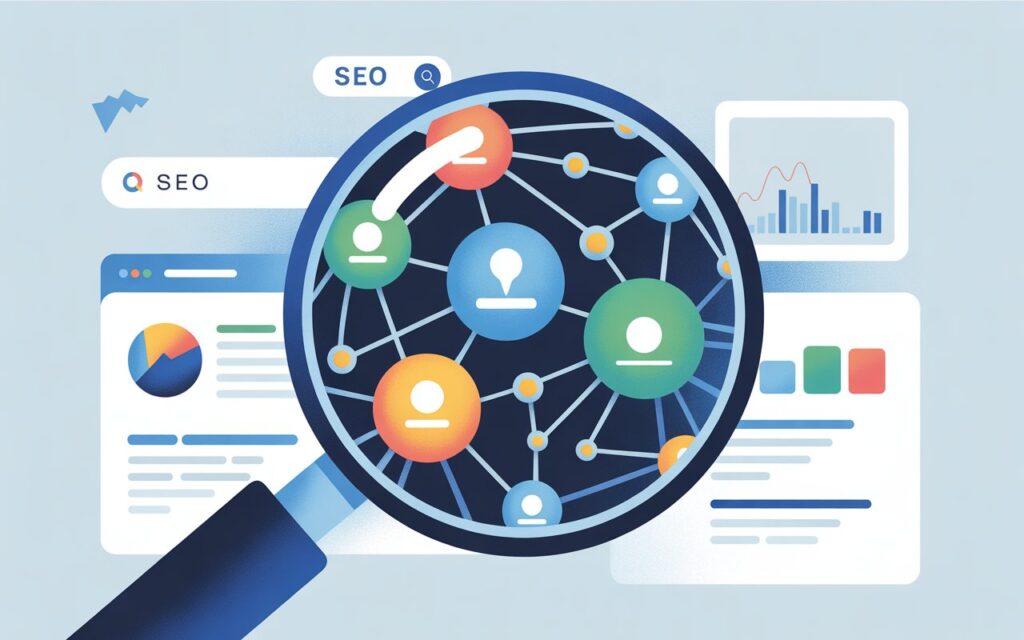
Google’s Knowledge Graph—which connects billions of entities (people, places, organizations, products)—is the backbone of semantic understanding. When your content maps to these entities, search engines see it as authoritative and contextually rich, dramatically improving your ranking opportunities across competitive industries.
Why Semantic SEO Matters in 2025
Semantic search is no longer optional—it’s essential. A few compelling reasons:
- AI and NLP dominance: Google’s Multitask Unified Model (MUM) and Bing’s AI-powered search interpret complex queries in natural language.
- Intent-driven queries: Over 60% of searches today are conversational (“What’s the healthiest breakfast for weight loss?”) rather than keyword-based.
- Featured snippets & AI overviews: Engines favor content that provides direct, semantically relevant answers.
- Topic authority > keyword density: Google now evaluates entire topic coverage, not just single-page keyword optimization.
💡 Stat: According to SEMrush, pages optimized for semantic clusters experience up to 30% more impressions and higher click-through rates compared to keyword-only strategies. The ability to satisfy intent leads to stronger dwell time, reduced bounce rates, and significantly improved user satisfaction scores.
Core Elements of Semantic SEO
1. Search Intent Categories
Understanding why people search is the foundation of Semantic SEO. Four main categories are:
- Navigational – “OpenAI website”
- Informational – “What is Semantic SEO?”
- Transactional – “Buy Nike Air Zoom Pegasus online”
- Commercial Investigation – “Best AI SEO tools in 2025”
Each piece of content must match one of these intents to rank effectively, or risk being overlooked by AI-driven search engines entirely.
2. Contextual Relevance
Google analyzes context across entire sites. If your site has multiple articles on “AI in marketing,” it builds topical authority, making new content on the subject easier to rank. Context helps engines differentiate between similar phrases and surface the most relevant, authoritative content to users with higher precision.
3. Semantic Clusters & Synonyms
Search engines understand related terms. For example, if you’re writing about “electric cars,” using words like “EV,” “battery vehicles,” and “Tesla” strengthens semantic relevance. Expanding beyond one keyword allows your content to rank for long-tail queries and stay future-proof as language evolves.

Techniques to Implement Semantic SEO
1. Content Clustering & Topic Authority
- Build pillar pages (comprehensive guides) supported by cluster articles.
- Example: A “Guide to AI SEO” linking to articles on LLM SEO, AEO, and semantic optimization.
- This creates a topic silo, signaling expertise to search engines. The deeper and broader your cluster, the stronger your chances of ranking for competitive, high-volume queries.
2. Entity-Based Optimization
- Use entities (people, products, places, organizations) recognized in Google’s Knowledge Graph.
- Example: Instead of saying “social platform,” reference “LinkedIn” or “X (Twitter).”
- Link out to reliable sources like Wikipedia or official brand pages. Entity alignment helps establish trustworthiness, boosting E-E-A-T (Experience, Expertise, Authority, Trust) scores.
3. Schema Markup & Structured Data
Adding schema helps machines understand your content context.
- Article schema → boosts blog visibility.
- FAQ schema → improves voice search results.
- Product schema → increases CTR in e-commerce.
The more structured data you add, the better AI and search crawlers can present your content in featured snippets and knowledge panels.
4. Internal Linking
Smart internal linking strengthens topical clusters.
- Example: An article on “On-page SEO” linking to “Semantic SEO” and “Schema Markup Guide.”
- This improves crawlability and distributes authority across your site. Over time, it creates strong semantic bridges that signal depth and expertise to search engines.
Tools for Semantic SEO in 2025
To succeed with Semantic SEO, leveraging AI-driven tools is essential:
- MarketMuse – Suggests semantic clusters and improves topical authority.
- Clearscope – Uses NLP to recommend related terms and semantic keywords.
- Surfer SEO – Analyzes SERPs and suggests semantic keyword density.
- Google NLP API – Helps analyze how Google interprets your content.
- OpenAI Embeddings – Detects semantic similarity in topics.
- SEMrush Topic Research & Ahrefs Keyword Explorer – Finds long-tail, low-competition intent queries.
Example: A case study by Surfer SEO showed a SaaS blog increased organic traffic by 47% after implementing entity-focused optimizations. These tools also reduce manual guesswork, helping writers stay aligned with modern ranking algorithms.
Examples of Semantic SEO in Action
Case Study 1: Blog Content
A marketing blog shifted from keyword-heavy titles like “Best SEO Tools” to semantic clusters such as:
- “How AI SEO tools transform rankings in 2025”
- “Semantic optimization vs traditional SEO: Which wins?”
This boosted their average SERP position from 18 to 6 in three months. It also increased their average session duration by 45%, indicating stronger user engagement.
Case Study 2: E-Commerce
An online store selling cameras used schema and entity-based optimization:
- Product schema with brand, specs, and reviews.
- Internal linking to “Photography guides.”
Result: 40% increase in rich snippet impressions. These structured data signals helped capture shoppers’ attention directly within search results, boosting conversions.
Case Study 3: Local SEO
A dental clinic used entities like “dentist,” “oral care,” “city name,” and FAQ schema. Combined with semantic blog content (“What to expect in your first dental visit”), they ranked in Google’s People Also Ask (PAA) box. The clinic also noticed a 25% increase in local bookings within six months.

Future of Semantic SEO with LLMs & AEO
Large Language Models (LLMs) like GPT-5 and Claude are reshaping how content is generated and discovered. Their contextual analysis mirrors semantic SEO principles:
- LLMs + Semantic SEO: Content aligned semantically has a higher chance of being cited in AI-generated answers.
- Overlap with AEO (Answer Engine Optimization): Engines like Perplexity and Bing Chat pull semantically rich answers directly.
- Multimodal Search: Google Lens + Voice Search + AI Overviews mean optimizing beyond text—images, videos, and structured metadata all matter.
💡 Stat: By 2027, over 70% of queries are expected to involve voice, visual, or AI-driven search. Adopting semantic strategies now ensures long-term adaptability across new platforms and technologies.
Step-by-Step Guide to Semantic SEO Implementation
- Research entities & search intent
- Use tools like SEMrush Topic Research.
- Identify key intent types across your target audience.
- Build content clusters
- Create a pillar article with 6–10 supporting sub-articles.
- Ensure each sub-article covers unique but related queries.
- Optimize with schema
- Add FAQ, HowTo, Product, and Organization schema.
- Schema increases CTR and makes content AI-friendly.
- Use NLP tools to analyze
- Test your article in Clearscope or Google NLP API.
- Adjust for missing semantic terms or entities.
- Track rankings beyond keywords
- Measure visibility in topic clusters and PAA snippets, not just keyword rankings.
- Monitor entity associations in Google Search Console.
Conclusion
Semantic SEO in 2025 is not just a strategy—it’s a survival mechanism. By optimizing for context, intent, and entities, websites can future-proof their rankings across Google, Bing, and AI-driven engines. From content clusters to schema and entity linking, every step contributes to building authority and visibility.
As AI-driven search evolves, Semantic SEO will only grow in importance. Businesses that adopt it now will gain a competitive edge, ensuring their content isn’t just found—but trusted, cited, and recommended by both search engines and AI assistants. In the long run, semantic optimization may determine whether a brand thrives or disappears in the era of AI-first search.






Post Comment