Semantic SEO & Knowledge Graphs for AI Search
Search is evolving faster than ever, and traditional SEO practices are no longer enough to stay ahead. While keywords and backlinks remain important, search engines like Google and Bing have shifted toward semantic understanding—analyzing the meaning behind queries rather than simply matching words.
At the center of this shift are Semantic SEO and Knowledge Graphs, which power everything from Google’s featured snippets to Bing’s AI-driven Copilot responses. As we enter the age of AI-first search engines, understanding how semantic SEO works and how to leverage knowledge graphs is critical for visibility and long-term success.
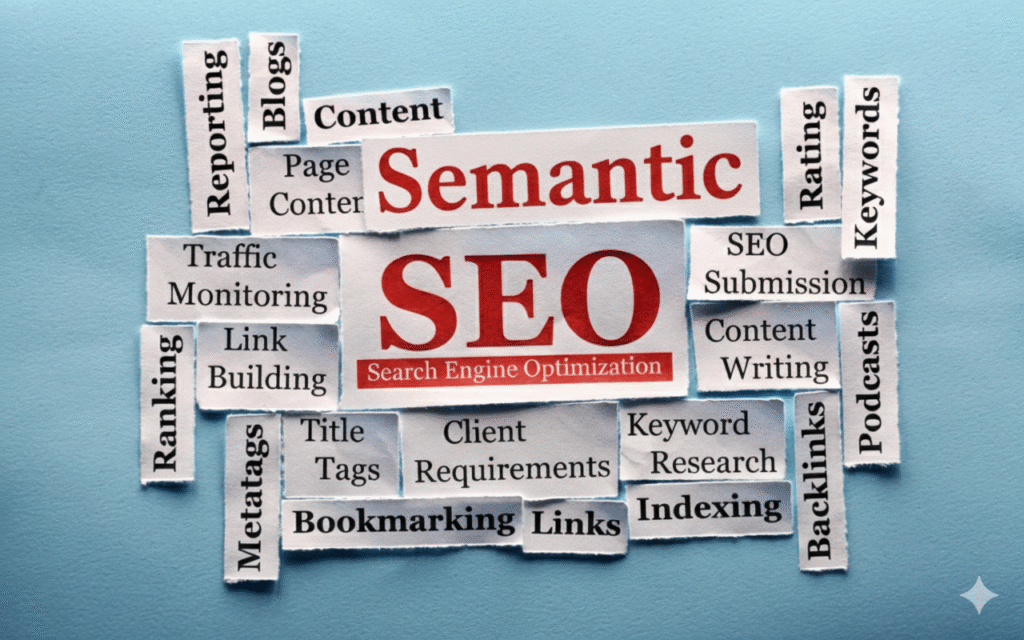
What is Semantic SEO?
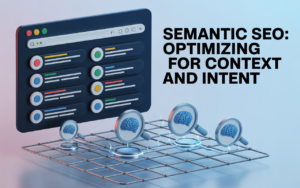
Semantic SEO is the practice of optimizing content around meaning and context rather than just exact keywords.
In traditional SEO, if you wanted to rank for “cheap laptops,” you might repeat the keyword multiple times in your article. Semantic SEO takes a smarter approach by focusing on user intent, related entities, and contextually relevant terms.
For example:
- Traditional SEO: Optimize only for “cheap laptops.”
- Semantic SEO: Also include related terms like budget laptops, affordable computers, student laptops, refurbished laptops, etc., to cover the broader meaning of the query.
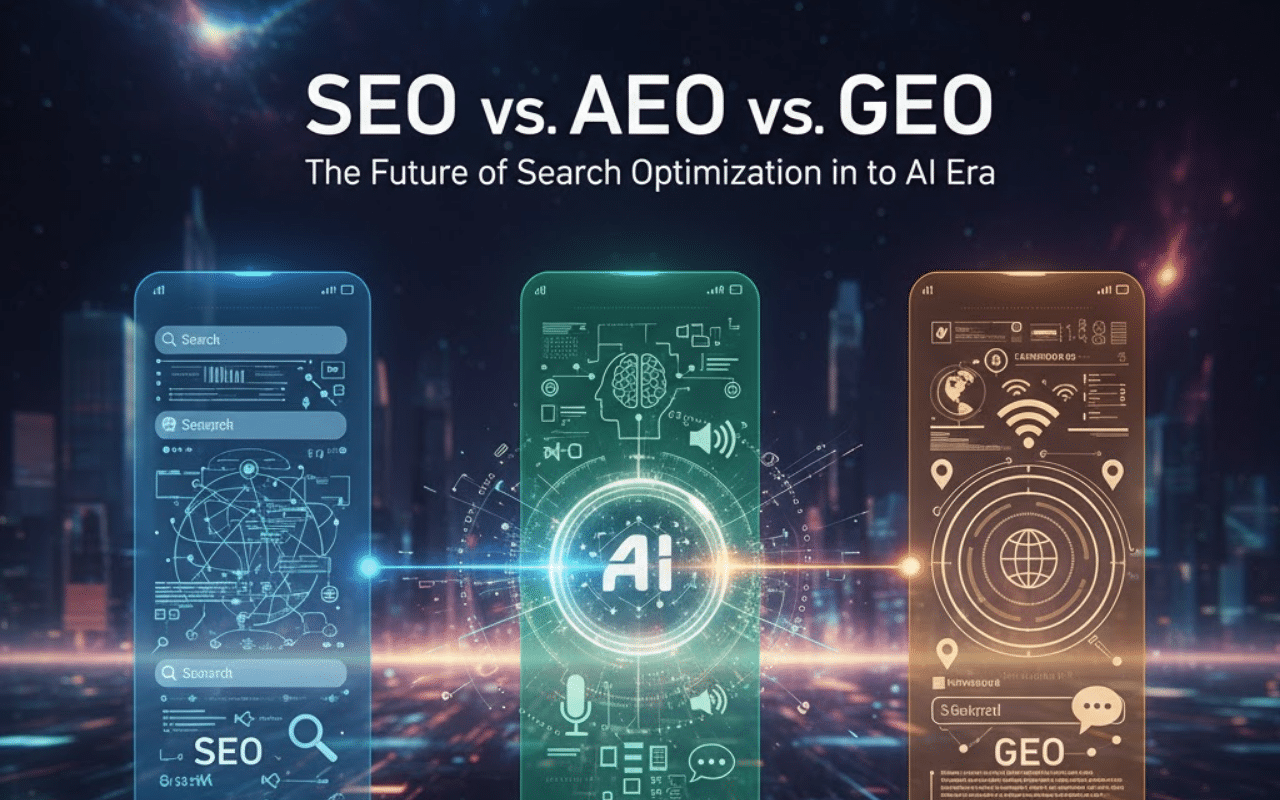
Semantic SEO aligns with how modern search engines process queries using natural language processing (NLP), SEO, AEO , GEO and machine learning.
Why it matters in 2025
- Google’s BERT and MUM algorithms focus on understanding context and intent.
- Bing’s Satori Knowledge Graph connects entities across billions of facts.
- AI-driven assistants like ChatGPT, Gemini, and Perplexity generate answers based on semantic relationships.
If your content is not optimized semantically, you risk being invisible in both traditional search results and AI-generated overviews.
The Role of Knowledge Graphs in Search
A Knowledge Graph is a database of entities (people, places, things) and their relationships. Search engines use them to understand facts about the world and provide direct answers.
Example:
If you search “Who is the CEO of Microsoft?”, Google doesn’t need to crawl millions of pages. Instead, it retrieves the answer (“Satya Nadella”) directly from its Knowledge Graph.
Key features of Knowledge Graphs:
- Entities – objects like companies, products, people.
- Attributes – descriptive data such as “founded in 1975.”
- Relationships – connections such as “Microsoft → CEO → Satya Nadella.”
Examples of Knowledge Graphs in action:
- Google Knowledge Graph → powers featured snippets, “People Also Ask,” and Knowledge Panels.
- Bing Satori → integrates structured knowledge into AI answers.
- Amazon Product Graph → connects items with reviews, categories, and user queries.
Knowledge Graphs are the foundation of AI search, enabling conversational engines to deliver precise, contextually aware responses.

How AI Search Engines Use Semantic SEO
Search engines in 2025 no longer rely only on crawling links—they rely on AI-driven interpretation.
Google’s AI
- BERT (2019): Improved understanding of sentence structure and word relationships.
- MUM (2021): Multimodal, able to analyze text, images, and context across 75+ languages.
- AI Overviews (2024): Summarized AI-generated answers displayed at the top of search results.
Bing & AI Integrations
- Satori Knowledge Graph powers Bing search.
- Bing Copilot (2023): Uses GPT-4 to provide conversational answers.
- Perplexity AI: Pulls from multiple sources with semantic understanding.
Impact on SEO rankings
Instead of matching keywords like “best pizza NYC,” AI-driven engines interpret intent:
- Is the user looking for reviews, locations, delivery options, or recipes?
- Semantic SEO ensures your content covers all angles of intent, making it more likely to appear in AI summaries and answer boxes.
Techniques for Implementing Semantic SEO
1. Entity-Based Keyword Research
Instead of just keywords, focus on entities and their relationships.
- Example: Instead of only “electric cars,” include related entities like Tesla, EV batteries, charging stations, government subsidies.
- Tools: SEMrush Topic Research, MarketMuse, Ahrefs Keywords Explorer.
2. Structured Data & Schema Markup
Schema markup helps search engines understand your content better by tagging it with structured information.
Example for a product:
{
  "@context": "https://schema.org",
  "@type": "Product",
  "name": "Apple iPhone 15",
  "brand": "Apple",
  "category": "Smartphone",
  "offers": {
    "@type": "Offer",
    "priceCurrency": "USD",
    "price": "999.00",
    "availability": "https://schema.org/InStock"
  }
}
This increases the chance of your product appearing in rich snippets and AI search results.
3. Topic Clustering
Build content silos around a central topic.
Example: If your main hub page is “AI in Healthcare”, supporting pages could include:
- AI in medical diagnostics.
- AI in drug discovery.
- AI for hospital management.
- Ethical challenges in healthcare AI.
Topic clusters build authority and help search engines understand your expertise in a niche.
4. Answer-Focused Content
AI assistants prioritize direct, clear answers.
- Use FAQ sections on every page.
- Target People Also Ask (PAA) queries.
- Write short, punchy answers followed by detailed explanations.

Tools for Semantic SEO & Knowledge Graphs
Here are top tools to implement Semantic SEO in 2025:
- MarketMuse → AI-powered content briefs with semantic coverage scoring.
- Clearscope → Identifies semantic terms competitors are ranking for.
- Frase.io → Optimizes for Answer Engine Optimization (AEO).
- SEMrush Topic Research → Entity and topic clustering.
- Schema.org Markup Validator → Test structured data for errors.
- Diffbot/Neo4j → Build custom Knowledge Graphs for enterprises.
Case Studies
Case 1: SaaS Company Ranks in AI Overviews
A SaaS brand added FAQ schema + topic clusters around “cloud security.” Within 3 months:
- +40% impressions in Google AI Overviews.
- +28% increase in organic traffic.
- Featured in multiple “People Also Ask” results.
Case 2: Local Business Wins Voice Search
A dental clinic implemented LocalBusiness schema and entity-rich FAQs. Now, voice assistants answer: “Who is the best dentist near me?” with their business listing.
- +22% appointment bookings in 90 days.
Case 3: E-commerce Brand Boosts CTR
By using semantic SEO + product schema, an online electronics store increased rich snippet visibility and saw:
- +35% higher click-through rate.
- +50% longer on-page time.
Challenges in Semantic SEO
- Technical complexity – Implementing schema can be difficult for small businesses.
- AI misinterpretation – Wrong entity connections may hurt rankings.
- Over-optimization – Targeting too many entities can dilute topical focus.
Best practice: Start with high-priority pages (homepage, services, top blogs) and expand gradually.

The Future of Semantic SEO with AI Search
- Multimodal Search: AI will combine images, voice, and video queries. Example: “Show me sneakers like this picture under $100.”
- Personalized Knowledge Graphs: AI assistants like ChatGPT will create personalized graphs for each user, tailoring answers.
- Generative SEO (GEO): Businesses will need to optimize for AI-generated overviews, not just blue links.
By 2030, experts predict that over 50% of search queries will bypass traditional search results entirely, relying instead on AI-driven answers powered by semantic SEO.
Conclusion
Semantic SEO and Knowledge Graphs are no longer optional—they are the foundation of AI-first search. Businesses that optimize only for keywords risk being invisible in a world where search is powered by entities, intent, and structured knowledge.
If you want to future-proof your SEO strategy:
- Focus on semantic keyword clustering.
- Implement schema markup to feed Knowledge Graphs.
- Create topic clusters that showcase authority.
- Optimize for AI answers and voice search.
Final takeaway: In 2025 and beyond, ranking is about meaning, not just words. Those who master Semantic SEO will dominate not only Google but also the AI-powered search engines of tomorrow.




Post Comment